
Uncategorized
Saddle Materials Guide: Leather vs Synthetic Saddle Options

Mar
A high-quality saddle is built from materials that influence durability, comfort, and performance. Riders across Europe often compare leather and synthetic saddles before making a purchase. Understanding the materials used in saddle construction helps riders choose equipment that fits their riding style, maintenance preferences, and long-term needs.
Leather Saddles


4
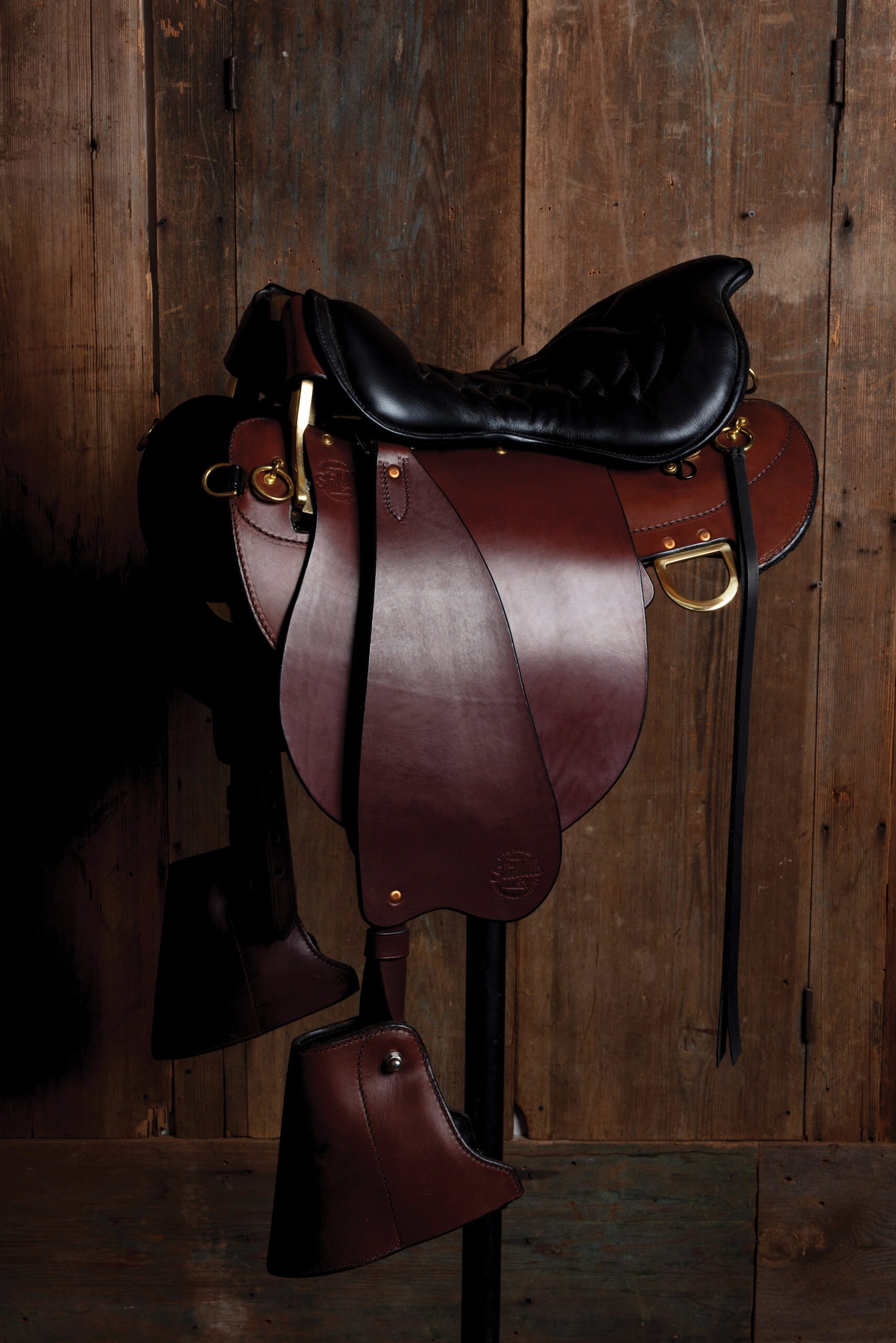
Leather saddles are the traditional choice for many professional riders. High-quality leather offers durability, flexibility, and a classic appearance that improves with age.
Advantages of leather saddles include:
- Strong and durable material
- Natural flexibility for rider comfort
- Long lifespan with proper maintenance
- Classic equestrian appearance
Leather saddles also mold gradually to the rider and horse, which can improve comfort over time.
Synthetic Saddles


4
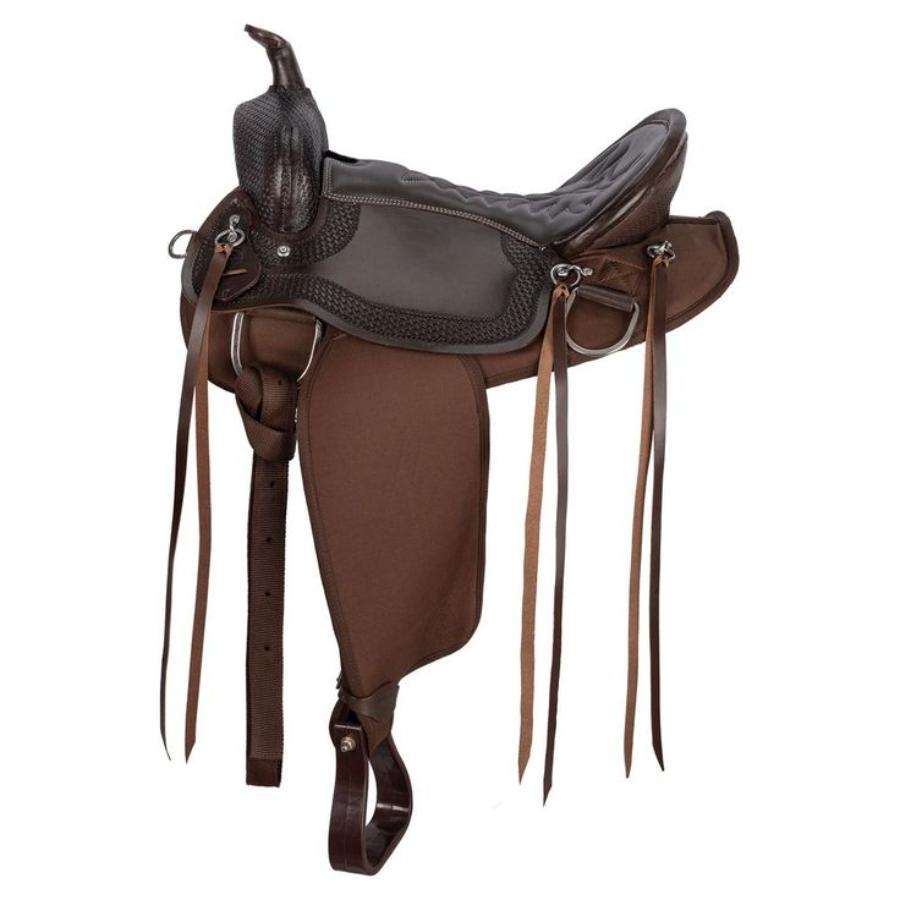
Synthetic saddles are increasingly popular among beginner riders and those who prefer low-maintenance equipment.
Benefits of synthetic saddles include:
- Lightweight design
- Lower maintenance requirements
- Resistance to moisture and weather conditions
- Often more affordable than leather saddles
These saddles are commonly used in riding schools and training environments.
Saddle Trees and Internal Structure

4
The saddle tree is the internal frame that provides shape and support. Regardless of the outer material, the saddle tree plays a major role in saddle performance.
Common saddle tree materials include:
- Wood reinforced with fiberglass
- Synthetic composite materials
- Flexible polymer structures
A well-designed saddle tree ensures balanced weight distribution and stability during riding.
Choosing the Right Saddle Material
When selecting a saddle, riders should consider their riding discipline, maintenance preferences, and budget.
Leather saddles are often preferred for professional riding, competitions, and long-term durability. Synthetic saddles are commonly chosen for beginner riders, training environments, and riders who prefer lighter equipment.
Both options can provide comfort and performance when properly fitted.
Conclusion
Saddle materials influence comfort, durability, and maintenance requirements. Riders across Europe often choose between leather and synthetic saddles depending on their riding needs. Understanding the differences helps riders invest in a saddle that supports long-term riding performance and reliability.
