Uncategorized
Signs Your Saddle Does Not Fit (Complete Guide for Riders in Europe)
Apr
Most riders don’t realize their saddle doesn’t fit — until the damage is already done.
If your horse feels uncomfortable, resists movement, or behaves differently during rides, the saddle is often the hidden problem. Understanding the signs your saddle does not fit is critical if you want to protect your horse’s health, improve performance, and avoid long-term issues.
The truth is simple: a poorly fitted saddle creates pain, limits movement, and damages trust between you and your horse. The right saddle does the opposite — it allows freedom, comfort, and better communication.
If you ignore the warning signs, the problem will only get worse.
Why Saddle Fit Matters More Than Most Riders Think
A saddle is not just equipment — it directly affects your horse’s body.
When a saddle fits correctly:
- Weight is evenly distributed
- Movement is natural and unrestricted
- The horse remains relaxed and responsive
When it does not:
- Pressure builds in sensitive areas
- Muscles become sore
- Performance declines
This is where many riders make costly mistakes — they assume behavior is the problem, when it’s actually the saddle.
Physical Signs Your Saddle Does Not Fit


6
Your horse’s body will always show the first signs of a poor saddle fit.
Uneven sweat marks
If sweat patterns are patchy or dry in certain areas, pressure is not evenly distributed.
Soreness or swelling
Touch your horse’s back after riding. Any sensitivity or swelling is a warning sign.
Hair loss or white hairs
These indicate long-term pressure damage and should never be ignored.
Back stiffness
If your horse moves stiffly after saddling, discomfort is already present.
These are not small issues — they are early indicators of serious problems.
Behavioral Signs You Should Never Ignore


6
Horses communicate discomfort through behavior.
Watch closely for these signs:
- Refusing to stand still while saddling
- Bucking or resisting movement
- Sudden attitude changes
- Tail swishing or ear pinning
If your horse’s behavior changes suddenly, do not blame training immediately — check your saddle first.
How a Bad Saddle Affects Performance
A poorly fitted saddle reduces your horse’s ability to perform at its best.
You may notice:
- Shorter strides
- Lack of forward movement
- Difficulty maintaining rhythm
- Reduced responsiveness
This is not a training issue — it is a comfort issue.
The Most Common Saddle Fit Problems
Understanding the root cause helps you fix the issue faster.
Too tight
Creates pressure points and restricts movement.
Too loose
Causes instability and constant shifting.
Incorrect shape
Does not match the horse’s back, leading to uneven pressure.
Wrong saddle type
Using the wrong design for your riding style creates imbalance.
This is where choosing the right English saddles or Western saddles becomes essential.
How to Check If Your Saddle Fits Properly


6
You don’t need to be an expert to perform basic checks.
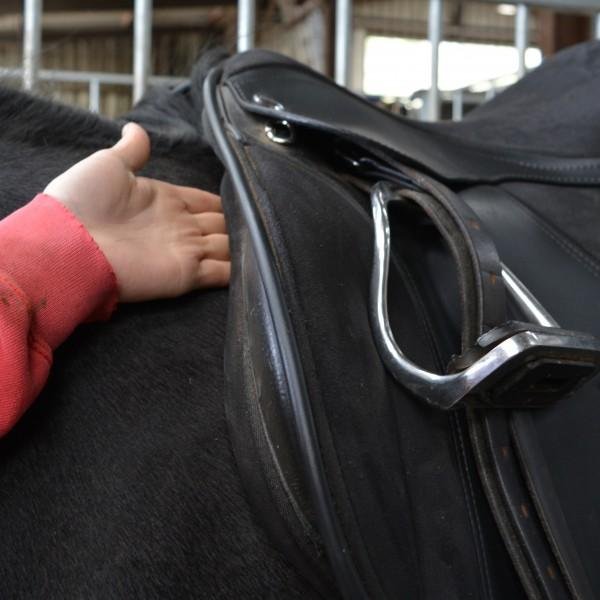
Check gullet clearance
There should be space between the saddle and the horse’s spine.
Check balance
The saddle should sit level, not tipping forward or backward.
Check stability
It should not slide or move excessively.
Check contact
Pressure should be evenly distributed along the back.
Using proper horse tack can improve fit and stability.
When You Must Replace Your Saddle
Many riders try to adjust a bad saddle instead of replacing it.
You should consider a new saddle if:
- Your horse shows consistent discomfort
- Physical signs continue to appear
- The saddle cannot be adjusted properly
Trying to fix the wrong saddle often costs more in the long run.
How to Prevent Saddle Fit Problems
Prevention is always better than correction.
- Check your saddle regularly
- Monitor your horse’s behavior
- Adjust fit as your horse changes shape
- Invest in quality equipment
This is how experienced riders avoid problems.
What Riders in Europe Should Pay Attention To
- Weather conditions affecting materials
- Reliable suppliers within Europe
- Fast delivery and easy returns
- Access to quality products
Choosing a trusted supplier ensures long-term reliability.
Final Insight – Do Not Ignore the Signs
If your saddle does not fit, your horse is already telling you.
Ignoring these signs leads to:
- Pain
- Reduced performance
- Long-term damage
Taking action early protects your horse and improves your riding experience.
If you are serious about comfort, performance, and long-term results, choosing the right saddle is one of the most important decisions you can make.
Frequently Asked Questions
How do I know if my saddle does not fit
Look for uneven sweat marks, soreness, and behavioral changes.
Can a bad saddle hurt my horse
Yes, it can cause pain, muscle damage, and long-term issues.
How often should I check saddle fit
Every few months or when your horse’s shape changes.
Can saddle fit affect performance
Yes, it directly impacts movement and comfort.
Should I replace or adjust my saddle
If the fit is significantly wrong, replacing is often the best option.
