
Bridling Horse
Bridling horse is a fundamental skill in horse riding and equestrian care. Riders searching for information about bridling horse techniques typically want to understand how to correctly place a horse bridle to ensure both safety and comfort for the horse. Proper bridling allows effective communication between rider and horse while preventing discomfort caused by incorrect tack placement.
Across Europe, professional riders, equestrian trainers, and horse owners consider bridling an essential part of horse management and daily riding preparation. When done correctly, bridling ensures the horse remains calm, responsive, and comfortable before riding or training sessions.
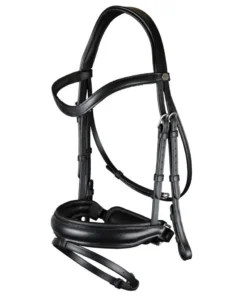
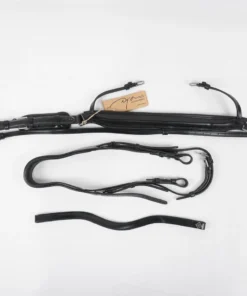
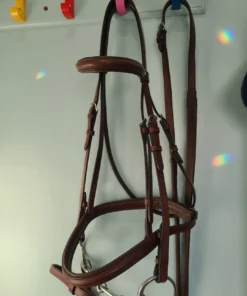
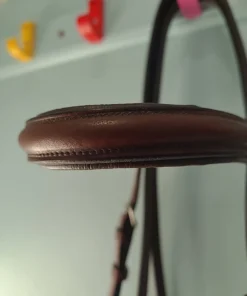
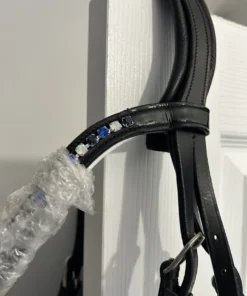
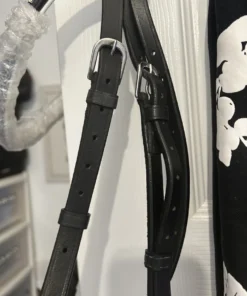
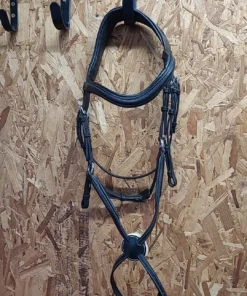
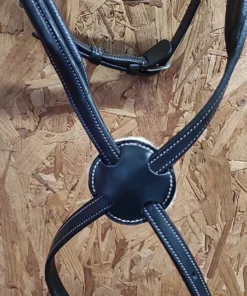
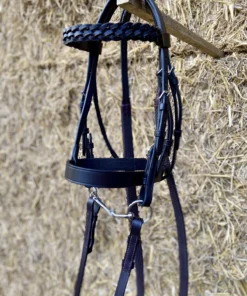
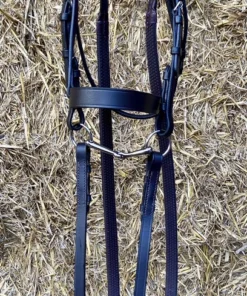
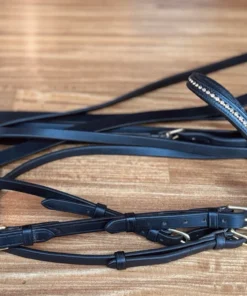
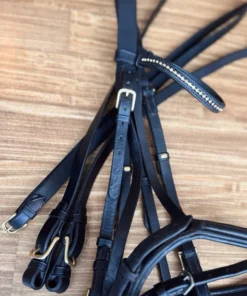
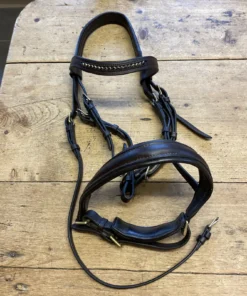
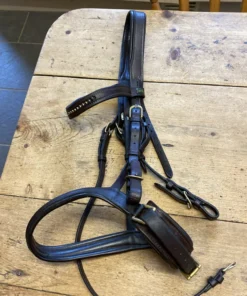
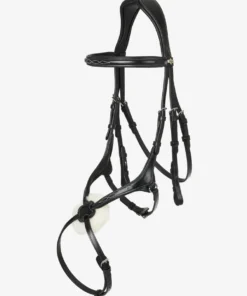
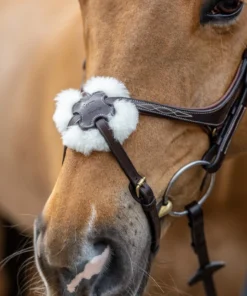
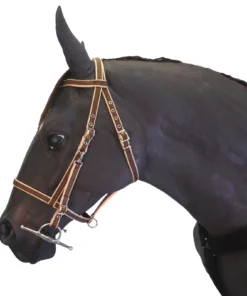
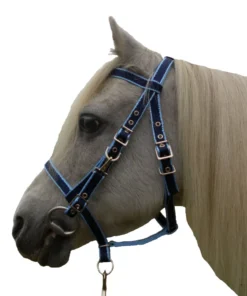
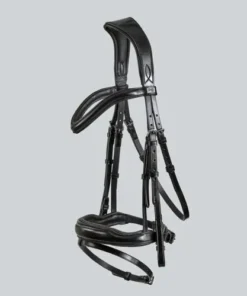
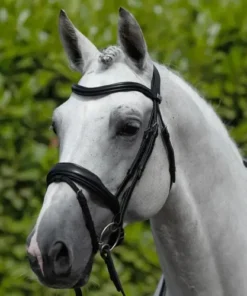
What Is Bridling a Horse
Bridling a horse refers to the process of placing a bridle on a horse’s head so that the rider can guide and control the horse using reins attached to a bit or bitless system. The bridle is an essential piece of horse tack and must be fitted properly to avoid pressure points or discomfort.
A typical horse bridle includes:
-
Headpiece (crownpiece)
-
Browband
-
Noseband
-
Cheekpieces
-
Bit
-
Reins
Each component plays a role in ensuring the horse responds correctly to rider cues.
Importance of Proper Bridling
Correct bridling horse techniques are important for both rider safety and horse welfare. Improperly fitted bridles may cause discomfort, resistance, or behavioral issues during riding.
Benefits of proper bridling include:
-
Improved communication between rider and horse
-
Reduced pressure on sensitive areas of the horse’s head
-
Increased horse comfort and relaxation
-
Safer riding preparation
-
Better control during riding
Because of these benefits, experienced riders always ensure that the bridle fits correctly before mounting the horse.
Step-by-Step Guide to Bridling Horse
Understanding the correct process for bridling a horse helps prevent mistakes and ensures a calm and cooperative horse.
1. Prepare the Bridle
Before placing the bridle on the horse, ensure the reins are untangled and the bit is clean. Hold the bridle correctly so the bit hangs naturally.
2. Position Yourself Safely
Stand on the horse’s left side near the head. Hold the crownpiece of the bridle with one hand while guiding the horse gently.
3. Remove the Halter
If the horse is wearing a halter, remove it carefully while maintaining control of the horse.
4. Guide the Bit into the Horse’s Mouth
Gently encourage the horse to open its mouth and accept the bit. Never force the bit into the mouth.
5. Place the Crownpiece Over the Ears
Once the bit is in place, carefully lift the crownpiece over the horse’s ears.
6. Adjust the Noseband and Throatlatch
Secure the noseband and throatlatch to ensure the bridle fits properly without being too tight.
Common Mistakes When Bridling a Horse
Many riders make small errors when bridling horse, which can lead to discomfort or resistance from the horse.
Common mistakes include:
-
Pulling the bridle over the ears too quickly
-
Forcing the bit into the horse’s mouth
-
Using a bridle that does not fit the horse properly
-
Tightening the noseband too much
-
Failing to check the bridle before riding
Avoiding these mistakes helps ensure the horse remains relaxed and responsive.
Choosing the Right Bridle for Bridling Horse
Selecting the correct horse bridle makes the bridling process easier and more comfortable for the horse.
Important factors to consider include:
Bridle Fit
A properly fitted bridle ensures the horse can move its jaw freely without excessive pressure.
Bridle Material
High-quality leather bridles are durable and comfortable, while synthetic bridles offer lighter weight and easier maintenance.
Bridle Design
Modern anatomical bridles are designed to reduce pressure on sensitive areas of the horse’s head.
Bridling Horse for Different Riding Disciplines
Different equestrian disciplines may require specific bridle types when bridling a horse.
Examples include:
-
Dressage bridles for precise communication
-
Jumping bridles for competitive show jumping
-
Hunter bridles for traditional riding styles
-
Bitless bridles for alternative riding methods
Selecting the appropriate bridle ensures both rider performance and horse comfort.
Frequently Asked Questions
What does bridling a horse mean?
Bridling a horse means placing a bridle on the horse’s head so the rider can control the horse using reins connected to a bit or bitless system.
How do you get a horse to accept the bit?
Many riders gently place a finger near the horse’s mouth or offer the bit patiently until the horse opens its mouth.
Can a horse be ridden without a bridle?
Some riders use bitless bridles or alternative tack systems, but most riding disciplines use a traditional bridle.
How tight should a horse bridle be?
The bridle should be secure but not tight. The horse should be able to move its jaw comfortably.
Why does my horse resist being bridled?
Resistance may occur due to discomfort, incorrect bridle fit, dental issues, or previous negative experiences.