Why the Right Horse Bridle Matters More Than Most Riders Think
A bridle is not just there to hold the bit and reins in place. It is part of your entire communication system. Every signal you give travels through it. Every adjustment in rein contact depends on it. Every pressure point matters.
When the fit is right, your horse feels more comfortable and more willing to accept contact. When the fit is wrong, even a talented horse can become tense, distracted, or difficult to ride. That is why experienced riders do not treat a bridle as a minor accessory. They treat it as essential performance equipment.
A quality horse bridle can improve:
- comfort around the poll, ears, cheeks, and nose
- clarity in communication
- steadiness in the contact
- confidence in training and competition
- overall way of going
This is where many category pages fall short. They show products, but they do not explain why the right bridle changes everything.
What Makes a Good Horse Bridle
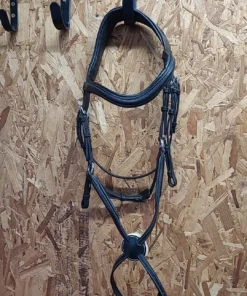
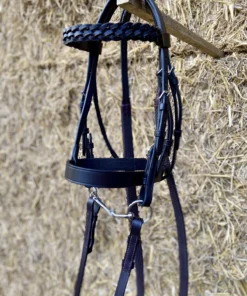
A good horse bridle is not defined by price alone. It is defined by how well it fits, how well it is made, and how naturally it works with the horse’s head shape and riding discipline.
The best bridles usually offer:
- soft, durable leather
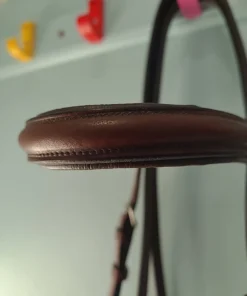
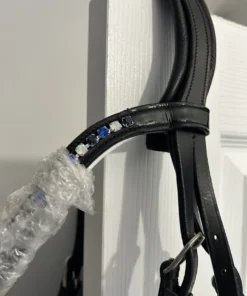
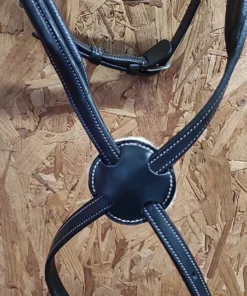
- carefully shaped headpieces
- comfortable nosebands
- clean, secure stitching
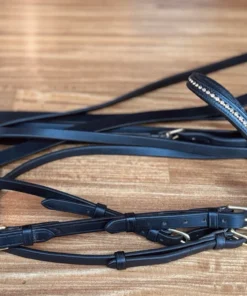
- quality buckles and fittings
- a design that supports your riding style
A good bridle should never feel bulky, harsh, or awkward. It should feel refined, balanced, and made to support performance without causing unnecessary pressure.
The Biggest Mistakes Riders Make When Buying a Horse Bridle
Choosing style before fit
A stylish bridle can still be completely wrong for your horse. One of the biggest mistakes riders make is focusing on appearance before function. Fancy stitching, decorative details, and premium branding mean very little if the fit is poor.
Ignoring pressure points
Pressure around the poll, behind the ears, across the nose, or along the cheeks can quickly turn into resistance. This is where many riders lose softness and connection without realizing the bridle is the reason.
Buying low-quality materials
Cheaper bridles may seem like a good deal at first, but poor leather, weak stitching, and stiff construction usually lead to discomfort, faster wear, and more money spent replacing them later.
Not matching the bridle to the riding goal
A horse bridle for dressage, jumping, training, everyday riding, or sensitive horses should not always be the same. Choosing the wrong style for your actual needs limits both comfort and performance.
Types of Horse Bridle Options and Who They Suit Best
English horse bridles
English bridles are ideal for riders who want precision, elegance, and refined communication. They are commonly chosen for dressage, jumping, eventing, and general English riding.
They are a strong choice when you want:
- clear rein contact
- a classic, clean look
- better precision in flatwork and jumping
- versatile performance
For riders building a complete English tack setup, quality English saddles pair naturally with a well-fitted English horse bridle for more consistent balance and control.
Western horse bridles
Western bridles are built for comfort, durability, and long hours in the saddle. They often have a simpler look, but they are highly effective when matched correctly to horse and rider.
They are a strong choice when you want:
- relaxed riding comfort
- dependable long-term durability
- a less restrictive feel
- practical performance on longer rides
Riders looking for an all-round Western setup often combine their bridles with durable Western saddles for greater stability and comfort over time.
Anatomical horse bridles
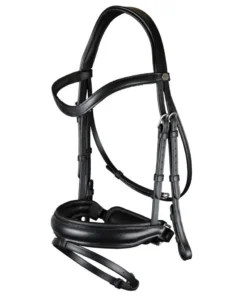
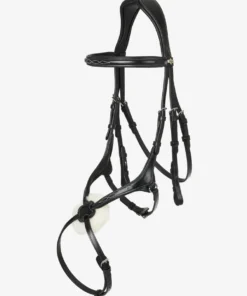
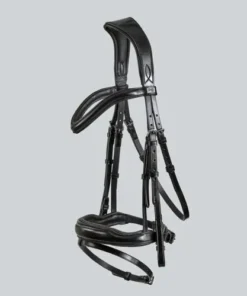
Anatomical bridles have become increasingly popular for a reason. They are designed to reduce pressure in key areas and improve comfort for horses that are sensitive, tense, or difficult in the contact.
They are especially useful for:
- horses sensitive at the poll
- horses that dislike pressure behind the ears
- horses that become tight or resistant in the bridle
- riders who want a more comfort-led design
Bitless horse bridles
For certain horses and riders, a bitless option may be worth considering. These are often chosen for sensitive mouths or riders exploring a different type of contact.
They are often preferred when:
- mouth sensitivity is a concern
- the horse is happier without a bit
- comfort is the main priority
How to Choose the Best Horse Bridle for Your Horse
Start with fit, not branding
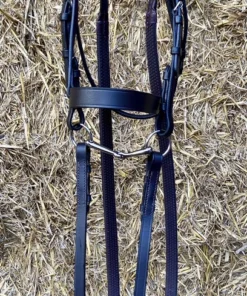
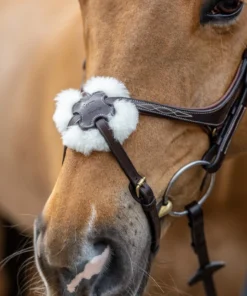
The best horse bridle is the one that fits your horse correctly. It should sit comfortably without pinching, sliding, or creating pressure. The browband should not pull the headpiece forward into the ears. The noseband should sit correctly and allow natural comfort. The cheekpieces should support an even, tidy fit.
Check the headpiece carefully
The headpiece matters more than many riders realize. A well-shaped headpiece can reduce pressure and sit more comfortably behind the ears. This is one of the strongest lessons we can take from premium competitors, but your page should explain it in a more useful and buyer-friendly way.
Choose the right noseband style
Different horses go better in different noseband styles. Some need a more traditional cavesson-style setup. Others benefit from a flash, figure-8, or more freedom-focused option. The right choice depends on your horse’s comfort, way of going, and the level of control you need.
Think about your riding discipline
A horse bridle for jumping, daily schooling, dressage, or leisure riding should reflect how you actually ride. Buying the wrong style often leads to compromise instead of improvement.
Best Horse Bridle Choices by Need
Best horse bridle for beginners
Beginners usually do best with a simple, well-made bridle that is easy to fit, easy to maintain, and comfortable for the horse. Clean design, quality leather, and sensible adjustment points matter more than extra features.
Best horse bridle for performance riders
If performance is your priority, a premium leather bridle with a refined fit, quality stitching, and better pressure management is often the smartest choice. This is where durability and comfort matter just as much as appearance.
Best horse bridle for sensitive horses
Sensitive horses usually benefit from softer leather, carefully shaped headpieces, and designs that reduce pressure points. This is where comfort-focused bridle selection can make a visible difference in behavior and contact.
Best horse bridle for everyday riding
For daily riding, training, and regular use, you want a horse bridle that is dependable, durable, and comfortable enough to work well every single day without creating irritation or unnecessary maintenance problems.
Signs Your Current Horse Bridle May Not Be Right
Your horse will often tell you when the fit is wrong, even if the signs seem small at first.
Watch for:
- head shaking
- resistance when bridling
- tension in the contact
- reluctance to stretch
- rubbing or hair loss
- sensitivity around the ears or poll
- inconsistent behavior under saddle
If these signs keep showing up, it is time to look harder at your bridle. Many riders assume it is a training issue when it is actually a comfort issue.
Why Premium Materials Make a Difference
One thing the top competitors do well is present bridles as premium products, but your content should go further by explaining why premium materials actually matter. Softer leather, better craftsmanship, stronger stitching, and more thoughtful shaping do not just look better. They feel better for the horse, last longer, and give the rider more confidence in daily use.
A premium horse bridle usually offers:
This is exactly why serious riders often choose quality first.
The Product-Push Layer Most Competitors Miss
This is where your page can be stronger than all three competitors. Do not just explain the product. Help the buyer act.
If your horse is sensitive, inconsistent in the contact, or uncomfortable in the current setup, staying with the wrong bridle will only keep the same problems in place. A better horse bridle can improve comfort, reduce resistance, and support better performance immediately.
If you want a softer, more responsive horse, upgrading to a properly fitted horse bridle is one of the smartest moves you can make now.
Building the Right Tack Setup Around Your Bridle
Your bridle works best when the rest of your tack setup supports the same goals. Comfort, balance, and performance should carry through the whole ride.
That is why quality horse tack matters. A better overall setup helps create more consistency, more control, and a better experience for both horse and rider.
What Makes Your Page Stronger Than the Competitors
The competitor pages cover products, premium positioning, customization, and anatomical features, but they still leave gaps. They do not fully explain how riders should choose. They do not offer enough practical decision-making help. They do not push the emotional side strongly enough. And they do not combine category SEO with deep buyer guidance as well as they could.
Your upgraded content wins by adding:
- clearer buying guidance
- stronger comfort and fit education
- more useful comparisons by need
- stronger conversion pressure
- better readability
- more natural SEO coverage
Final Buying Insight
A horse bridle is not something to choose casually. It affects comfort, control, confidence, and performance every time you ride. If your current bridle is causing even slight discomfort, it is already costing you more than you think.
The right horse bridle gives you:
- better communication
- improved comfort
- stronger responsiveness
- a more polished riding experience
- more confidence every ride
If you want a horse that feels softer, more willing, and easier to ride, choosing the right bridle is not optional. It is the next smart step.
Frequently Asked Questions
What size horse bridle should I buy?
The right size depends on your horse’s head shape and measurements. A bridle should sit neatly without pulling into the ears, pinching the cheeks, or placing too much pressure across the nose.
How tight should a horse bridle be?
A horse bridle should be secure but never tight enough to create pressure or discomfort. The noseband in particular should allow comfortable breathing and natural movement.
Are expensive horse bridles worth it?
In many cases, yes. Better leather, better shaping, and better craftsmanship usually mean better comfort, longer durability, and a better riding experience overall.
What is the best horse bridle for a sensitive horse?
Sensitive horses often do better in softer leather bridles with pressure-reducing designs, especially anatomical styles that help reduce pressure around the poll and ears.
How do I know if my horse bridle does not fit?
Look for head shaking, resistance, rubbing, tension, or discomfort during bridling and riding. These are often signs that the fit or design is not right.
If you want, send me your previous content text as well, and I’ll turn this into a direct upgraded version based on your original copy rather than a fresh rebuilt version.