
Mobility Bridle – A Smarter Way to Improve Comfort, Movement, and Performance
A mobility bridle is not just another variation of a traditional bridle — it represents a completely different approach to how your horse experiences contact, pressure, and movement.
If your horse shows tension, resistance, stiffness, or inconsistency in performance, there is a high chance the issue is not training — it is discomfort. And in many cases, that discomfort starts with the bridle.
Most traditional bridles apply pressure on the poll, around the ears, and across sensitive nerve pathways. This pressure is often subtle, but over time it creates restriction, reduces freedom of movement, and leads to resistance that many riders mistake for behavioral issues.
A well-designed mobility bridle removes these hidden restrictions. It allows the horse to move more freely, relax into the contact, and respond more naturally. The difference is not just visible — it is something you feel immediately in your hands and in your horse’s movement.
bridles bridle
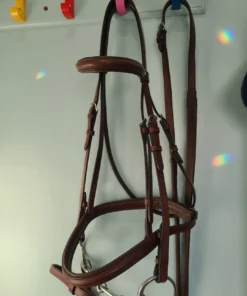
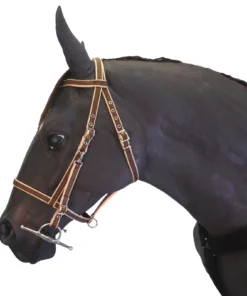
FAL Leather Flash Bridle, bit & Reins. Full Size,Brown (Ref:50Y)
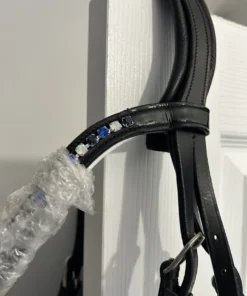
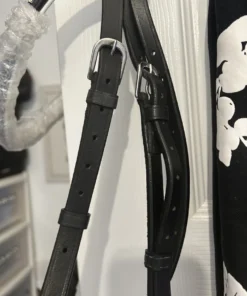
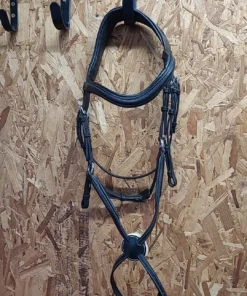
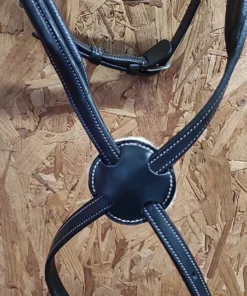
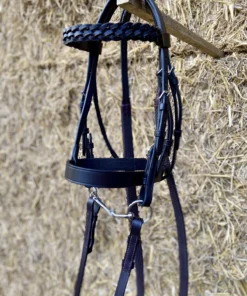
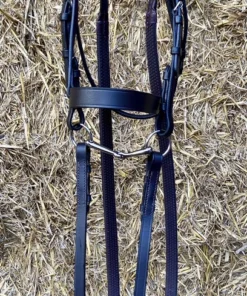
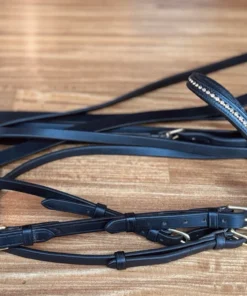
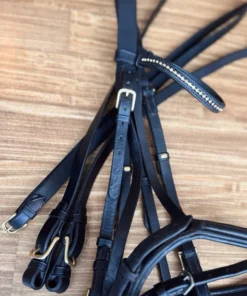
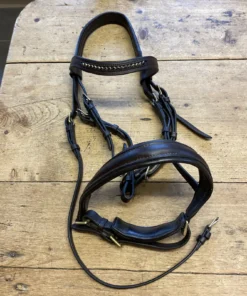
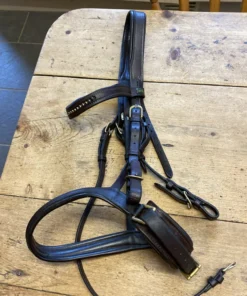
bridles bridle
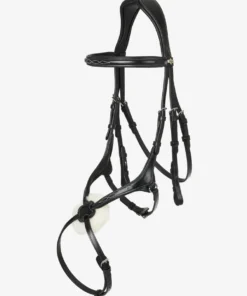
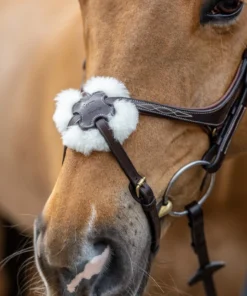
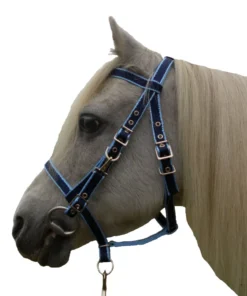

bridles bridle
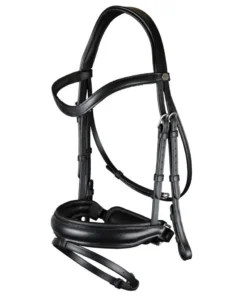
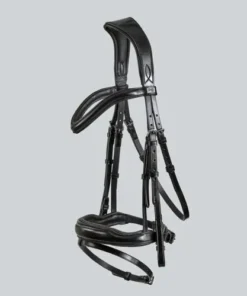
Premier Equine Rizzo Anatomic Snaffle Bridle with Flash in Black
Why Pressure Matters More Than Most Riders Realize
One of the biggest mistakes riders make is underestimating how sensitive a horse’s head actually is.
Small amounts of pressure in the wrong areas can:
- limit natural movement
- create tension in the neck and back
- reduce responsiveness
- cause resistance in the contact
This is where most standard bridles fall short. They are designed for control, but not always for comfort.
A mobility bridle takes a different approach. Instead of forcing control through pressure, it improves communication by removing unnecessary pressure altogether.
This shift alone can transform the way your horse moves and responds.
What Makes a Mobility Bridle Different
The difference is not just design — it is intention.
A mobility bridle is built to:
- avoid pressure on sensitive nerve zones
- reduce compression behind the ears
- distribute contact more evenly
- allow natural head and neck movement
This is why many riders notice:
- softer contact
- improved relaxation
- better responsiveness
- more fluid movement
It is not about doing more — it is about removing what should not be there in the first place.
Signs Your Horse May Benefit from a Mobility Bridle
Many riders look for problems in training, but the signs are often physical.
If your horse shows:
- head shaking or tossing
- resistance when taking contact
- stiffness in the neck
- inconsistency in performance
- sensitivity around the ears or poll
then your current bridle may already be limiting comfort and performance.
These are not small signals. They are clear indicators that something in the setup is not working.
How a Mobility Bridle Improves Performance
Performance is not only about training — it is about comfort.
When pressure is reduced:
- the horse relaxes
- movement becomes more natural
- communication becomes clearer
- resistance decreases
This creates a completely different riding experience.
Instead of working against tension, you are working with a horse that is comfortable, responsive, and willing.
Choosing the Right Mobility Bridle
Not all mobility bridles are created equal, and this is where most buyers make mistakes.
Focus on True Pressure Relief
A real mobility bridle should:
- clearly avoid pressure points
- offer space around sensitive areas
- sit naturally without forcing position
Pay Attention to Fit
Even the best design will fail if the fit is wrong.
The bridle should:
- sit comfortably without pulling
- allow natural movement
- stay stable without pressure
Choose Quality Materials
High-quality leather makes a significant difference.
It provides:
- better flexibility
- more comfort
- longer durability
A stiff or poorly made bridle will never deliver the same result.
What Most Competitors Don’t Explain Clearly
Many competitors talk about anatomical design, but they stop at features.
What they don’t explain is this:
The real value of a mobility bridle is not in how it looks — it is in how your horse feels and moves when wearing it.
This is where most riders make costly mistakes. They focus on appearance or brand instead of understanding how pressure affects performance.
The Real Difference You Will Notice
When you switch to a properly fitted mobility bridle, the change is often immediate.
You may notice:
- a softer, more consistent contact
- reduced tension
- improved movement
- a more willing and responsive horse
This is not marketing — it is a direct result of improved comfort.
A Smarter Approach to Riding
If your current setup is creating even slight discomfort, it is already affecting your results.
Continuing with the wrong bridle will not fix the problem — it will only maintain it.
Choosing a mobility bridle is not about following a trend. It is about making a smarter decision based on how horses actually respond to pressure and comfort.
Frequently Asked Questions
What is a mobility bridle
A mobility bridle is designed to reduce pressure on sensitive areas of the horse’s head and allow more natural movement.
Is a mobility bridle better than a traditional bridle
For many horses, yes — especially those sensitive to pressure or showing resistance.
How do I know if my horse needs one
Look for signs like tension, head shaking, stiffness, or inconsistent performance.
Can a mobility bridle improve performance
Yes, by improving comfort and reducing restriction, it allows better movement and responsiveness.
Is it suitable for all riding styles
Yes, it can be used across multiple disciplines.