Saddle Horse Tack – The Complete Foundation of Comfort, Control, and Performance
Saddle horse tack is more than just equipment — it is the system that defines how your horse moves, how you communicate, and how effective your riding truly becomes.
Most riders focus on one element, usually the saddle, assuming it carries the most importance. But in reality, performance is never built on a single piece of tack. It comes from how every component works together — from the bridle to the girth, from the saddle pad to the smallest adjustment.
If your ride feels inconsistent, if your horse shows resistance, or if something simply does not feel right, the problem is often not training — it is your tack setup.
Understanding saddle horse tack at a deeper level is what separates average riding from confident, balanced, and controlled performance.
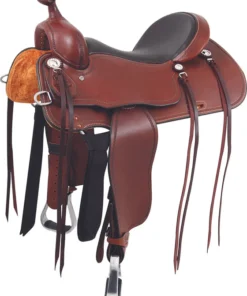
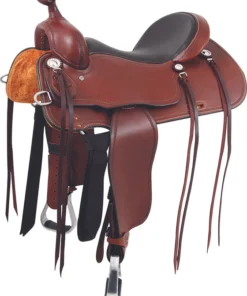
saddle horse tack
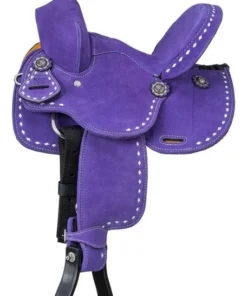
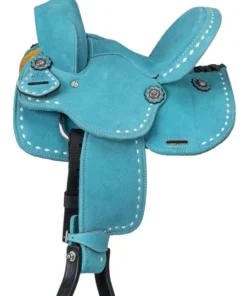
saddle horse tack
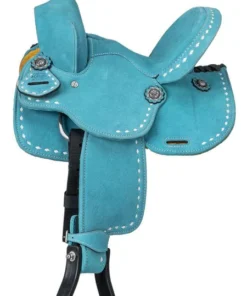
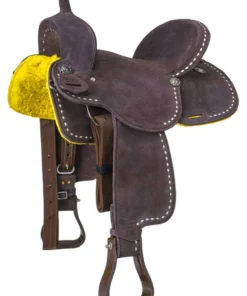
saddle horse tack
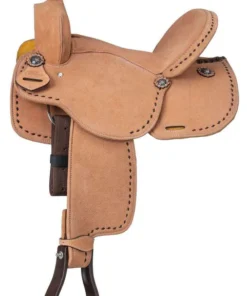
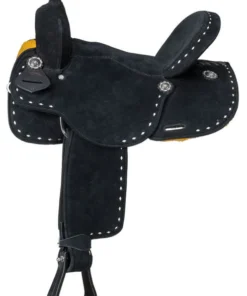
saddle horse tack
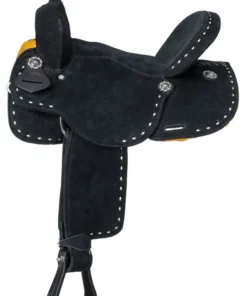
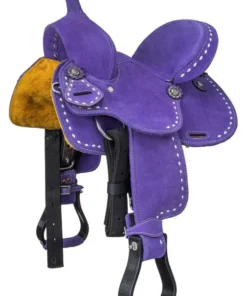
saddle horse tack
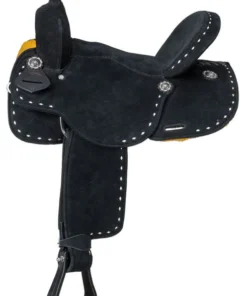
saddle horse tack
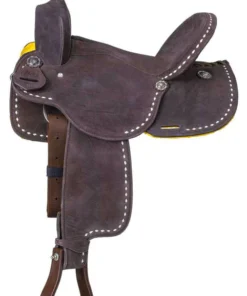
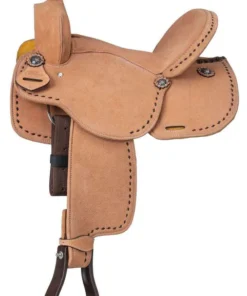
saddle horse tack
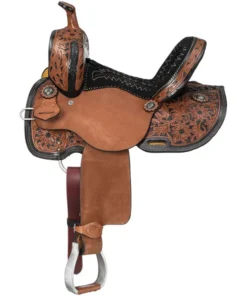
saddle horse tack
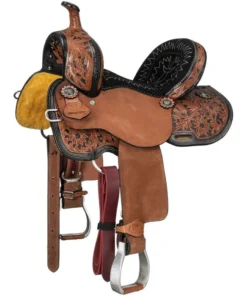
saddle horse tack
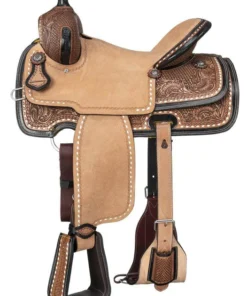
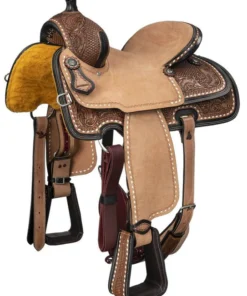
saddle horse tack
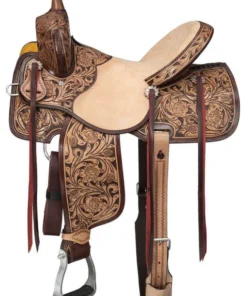
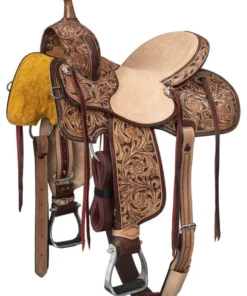
saddle horse tack
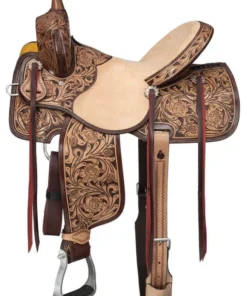
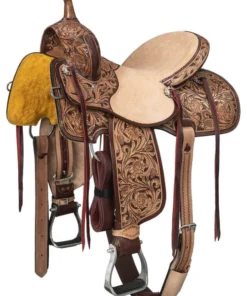
saddle horse tack
Why Saddle Horse Tack Plays a Critical Role in Performance
One of the biggest gaps in competitor websites is that they sell products without explaining how everything connects.
Every piece of tack influences:
- pressure distribution
- movement freedom
- rider balance
- communication clarity
When your tack works in harmony, your horse becomes more relaxed, more responsive, and easier to ride. When it does not, even a well-trained horse can feel stiff, distracted, or resistant.
This is not a small detail — it is one of the core foundations of riding.
What Saddle Horse Tack Actually Includes
Saddle horse tack refers to all the essential equipment used together with the saddle to ensure stability, control, and comfort.
It typically includes:
- saddle
- bridle
- girth or cinch
- saddle pad
- stirrups and leathers
- reins
Each of these elements has a specific role, but none of them work in isolation. The effectiveness of your setup depends on how well they function together.
How Each Component Affects Your Horse
Understanding each piece allows you to make smarter decisions instead of guessing.
The Saddle – Balance and Weight Distribution
The saddle is responsible for distributing your weight evenly across the horse’s back.
A well-fitted saddle:
- prevents pressure points
- supports natural movement
- improves rider stability
A poor saddle fit creates discomfort that often shows up as resistance.
The Bridle – Precision and Communication
The bridle is your primary communication tool.
A correctly fitted bridle:
- allows clear signals
- reduces tension
- improves responsiveness
A poorly fitted one creates confusion and discomfort.
The Girth or Cinch – Stability Without Pressure
This component secures the saddle in place.
A proper fit:
- keeps the saddle stable
- prevents slipping
- avoids pressure on sensitive areas
Too tight or too loose can both create problems.
Saddle Pads – Protection and Adjustment
Saddle pads are often underestimated, yet they play a major role.
They:
- absorb shock
- reduce friction
- help fine-tune saddle fit
Stirrups and Leathers – Rider Position and Control
These support your position and balance.
A correct setup:
- improves posture
- increases stability
- allows better movement
The Hidden Problem Most Riders Overlook
Competitor sites focus on products — but they don’t explain this:
Your horse does not react to individual pieces of tack.
Your horse reacts to the entire system.
If one element is wrong, it affects everything else.
This is why many riders struggle with:
- inconsistent performance
- tension in the contact
- lack of responsiveness
Even when their saddle alone seems “fine.”
How to Choose the Right Saddle Horse Tack
This is where most riders make costly mistakes — and where better decisions create immediate improvement.
Start with Fit, Not Brand
The most important factor is always fit.
Every piece of tack should:
- sit naturally
- avoid pressure points
- allow full movement
Brand and appearance come second.
Build a Balanced System
Your tack should work together, not against each other.
For example:
- a well-fitted saddle with a poor bridle still creates problems
- a good bridle with the wrong girth affects stability
Balance across all components is what creates real performance.
Choose Quality Materials
High-quality tack:
- lasts longer
- performs better
- improves comfort
Cheap materials often lead to discomfort and frequent replacement.
Match Your Riding Style
Your tack should reflect how you ride:
- dressage requires precision
- jumping requires flexibility
- everyday riding requires durability
Signs Your Saddle Horse Tack Is Holding You Back
Your horse will always give you signals.
Look for:
- resistance or tension
- uneven movement
- stiffness
- lack of responsiveness
- irritation or pressure marks
These signs are often linked directly to your tack setup.
Ignoring them only delays improvement.
Common Mistakes Riders Make
- focusing only on the saddle
- ignoring overall balance
- choosing based on appearance
- using low-quality equipment
- not adjusting tack as the horse changes
These mistakes reduce performance and create unnecessary problems.
What Competitors Don’t Tell You (Critical Insight)
Most competitor websites list products without explaining how to choose or why it matters.
Here is the truth:
Saddle horse tack is not about:
- buying more equipment
- choosing the most expensive option
- following trends
It is about:
- correct fit
- comfort
- balance
- function
This is where most riders make costly mistakes — and where real improvement begins.
The Real Impact of a Proper Tack Setup
When your tack is correctly chosen and fitted, the difference is immediate.
You will notice:
- smoother movement
- better balance
- clearer communication
- a more relaxed horse
This is not a small upgrade — it is a complete shift in how your horse performs.
A Smarter Way to Improve Your Riding
If something feels off in your riding, it is worth looking at your tack before anything else.
In many cases, improving your saddle horse tack setup leads to:
- faster progress
- fewer problems
- better overall results
It is not about doing more — it is about removing what is limiting you.
Frequently Asked Questions
What is saddle horse tack
It refers to all equipment used with a saddle, including bridle, girth, and accessories.
How do I know if my tack fits correctly
It should sit comfortably without creating pressure or restricting movement.
Can poor tack affect performance
Yes, it can cause discomfort, resistance, and reduced responsiveness.
How often should tack be checked
Regularly, especially as your horse’s shape or workload changes.
Is expensive tack always better
Not always, but high-quality tack usually offers better comfort and durability.