
Uncategorized
Saddle Care Guide: How to Maintain Your Saddle for Long-Lasting Performance
Mar
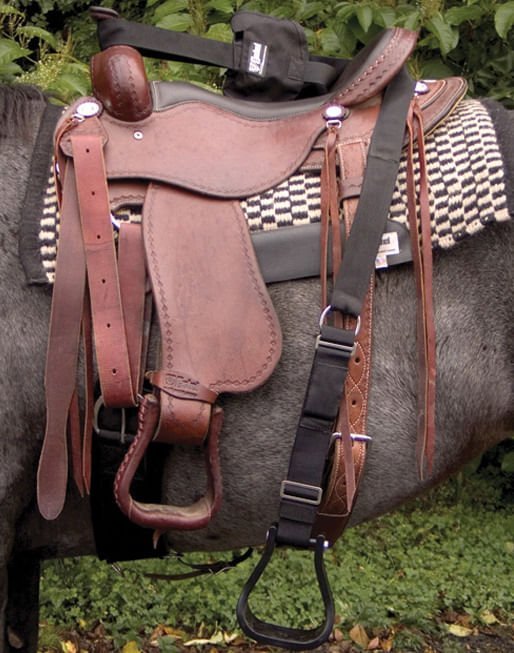
A quality saddle is one of the most important investments for any rider. Proper saddle care ensures durability, comfort, and consistent riding performance. Riders across Europe rely on well-maintained saddles to protect both horse and rider while preserving the leather and structure for many years of use.
Why Saddle Maintenance Matters

4
Regular saddle maintenance helps preserve the leather, prevent cracking, and maintain structural integrity. Dirt, sweat, and moisture can slowly damage leather if the saddle is not cleaned regularly.
Proper maintenance helps:
- Extend the lifespan of the saddle
- Maintain leather softness and flexibility
- Prevent damage from sweat and dust
- Keep the saddle comfortable for both rider and horse
Riders who maintain their saddles properly often see them last for many years.
How to Clean a Saddle Correctly
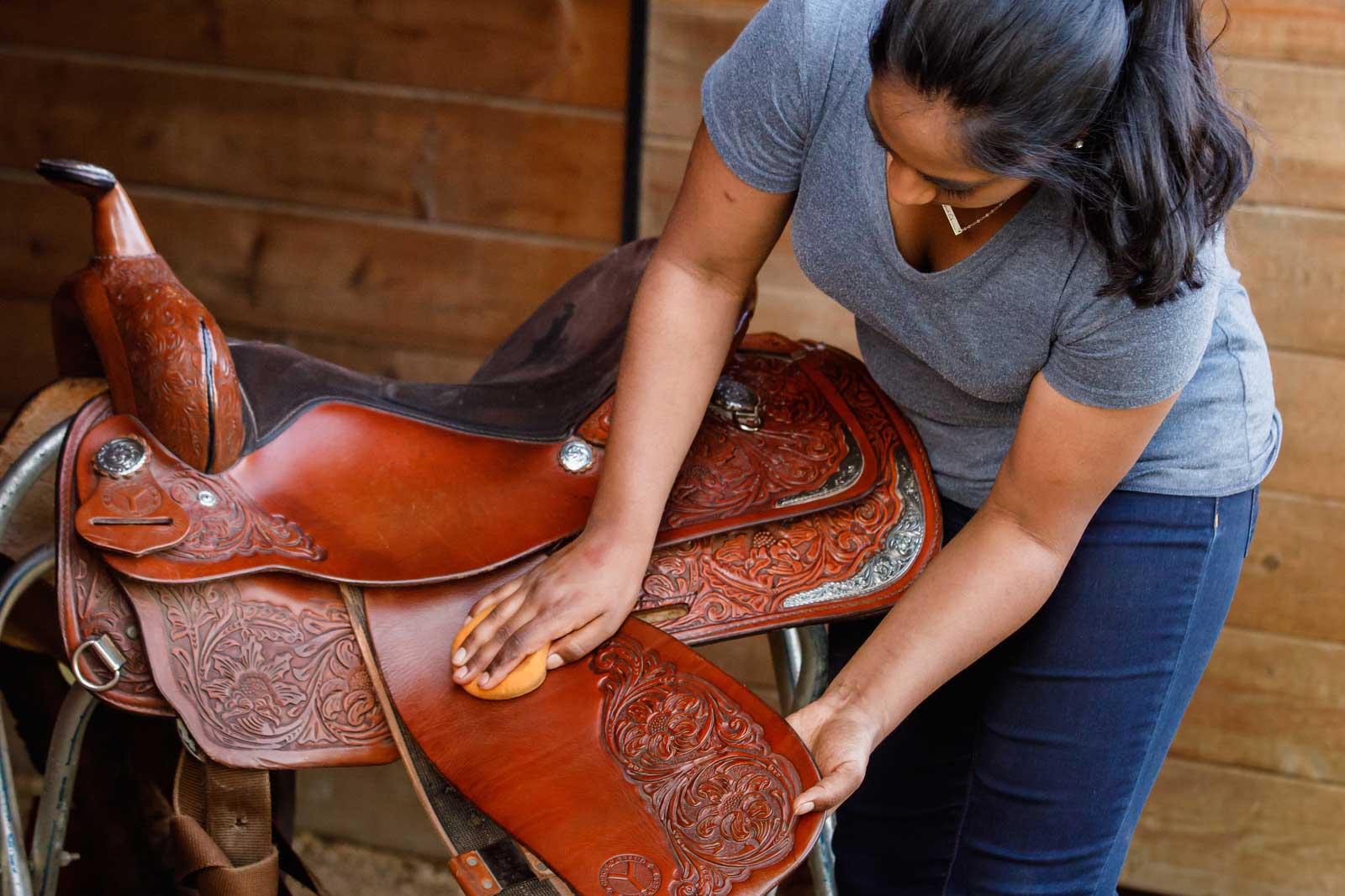
Cleaning a saddle should be part of a regular riding routine. A few simple steps help protect the leather and maintain its appearance.
Step 1: Remove Dirt and Dust
Use a soft cloth or brush to remove surface dirt from the saddle after riding.
Step 2: Apply Saddle Soap
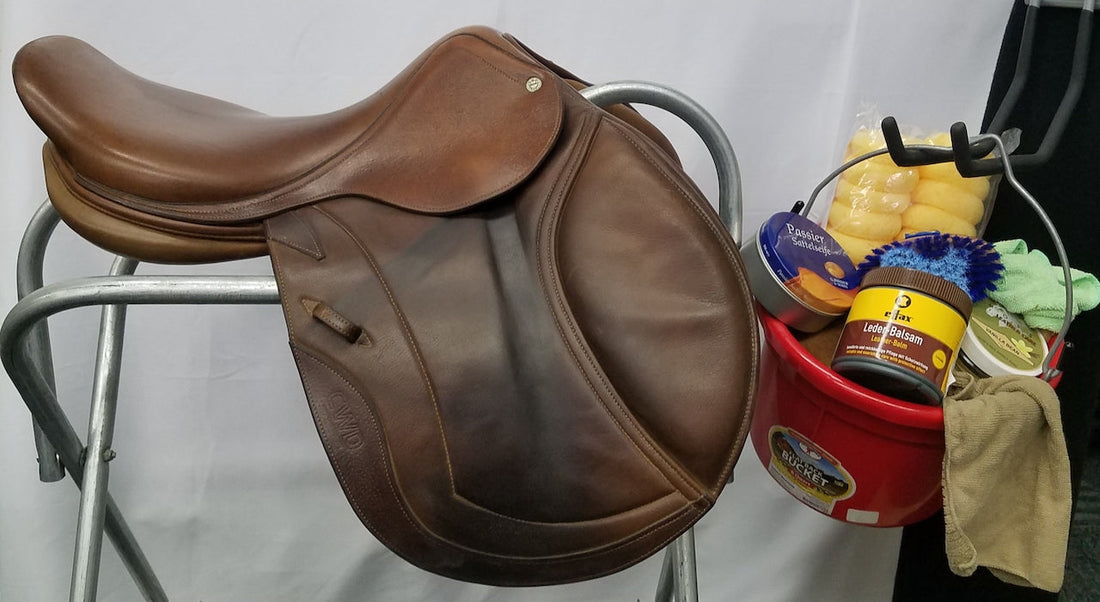
Use saddle soap with a damp sponge to clean the leather. This removes sweat and grime while protecting the leather surface.
Step 3: Condition the Leather
Leather conditioner keeps the saddle flexible and prevents drying or cracking.
Step 4: Polish and Dry
Allow the saddle to dry naturally and polish lightly with a clean cloth.
Regular cleaning helps maintain the saddle’s professional appearance and comfort.
Proper Saddle Storage


4
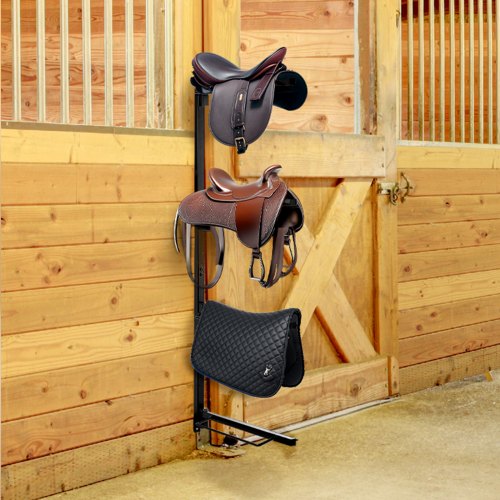
Correct storage protects the saddle from damage when it is not in use.
Important storage tips include:
- Store the saddle on a proper saddle rack
- Keep the saddle in a dry, ventilated space
- Avoid direct sunlight or excessive humidity
- Use a saddle cover to protect from dust
Proper storage helps maintain the saddle shape and prevents leather deterioration.
Signs Your Saddle Needs Maintenance
Riders should regularly inspect their saddle for early signs of wear.
Common indicators include:
- Dry or stiff leather
- Visible cracks in the leather surface
- Loose stitching or hardware
- Uneven saddle panels
Addressing these issues early helps prevent more serious damage.
Why Quality Saddles Last Longer
High-quality saddles are designed with durable leather, reinforced stitching, and balanced saddle trees. These elements contribute to long-term reliability and comfort for riders.
When properly maintained, a well-crafted saddle can remain functional and comfortable for many years.
Conclusion
A saddle requires regular care to maintain performance, durability, and comfort. Cleaning, conditioning, and proper storage are essential steps in protecting saddle leather and structure. Riders across Europe who maintain their saddles properly benefit from longer-lasting equipment and a more reliable riding experience.
