
Uncategorized
Saddle Types Explained: Choosing the Right Saddle for Different Riding Styles
Mar
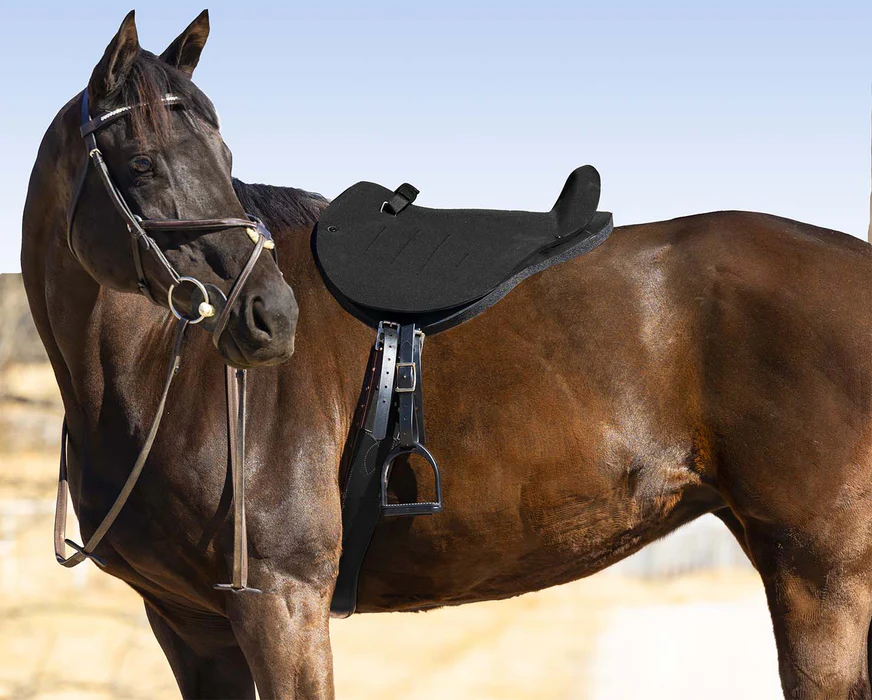
A saddle is designed to support both the rider and the horse during different riding activities. Riders across Europe use various saddle styles depending on discipline, comfort, and riding goals. Understanding the differences between saddle types helps riders choose equipment that improves balance, performance, and long-term riding comfort.
English Saddle



4
The English saddle is one of the most widely used saddles in Europe. It is designed for disciplines such as dressage, show jumping, and general riding.
Features of an English saddle include:
- Lightweight design
- Close contact between rider and horse
- Flat or moderately deep seat
- Short saddle flaps
These saddles allow riders to maintain flexibility and balance while riding.
Dressage Saddle
4
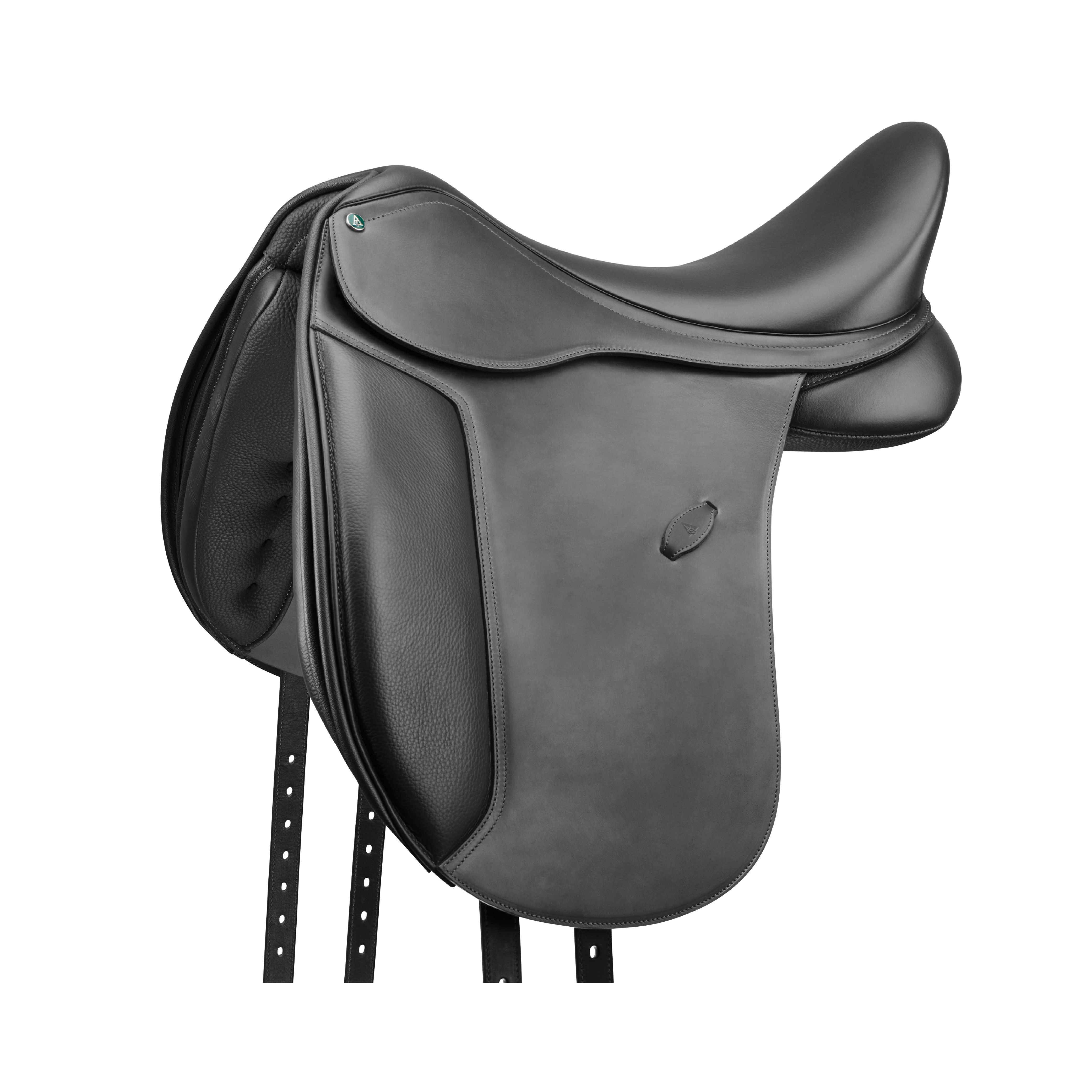
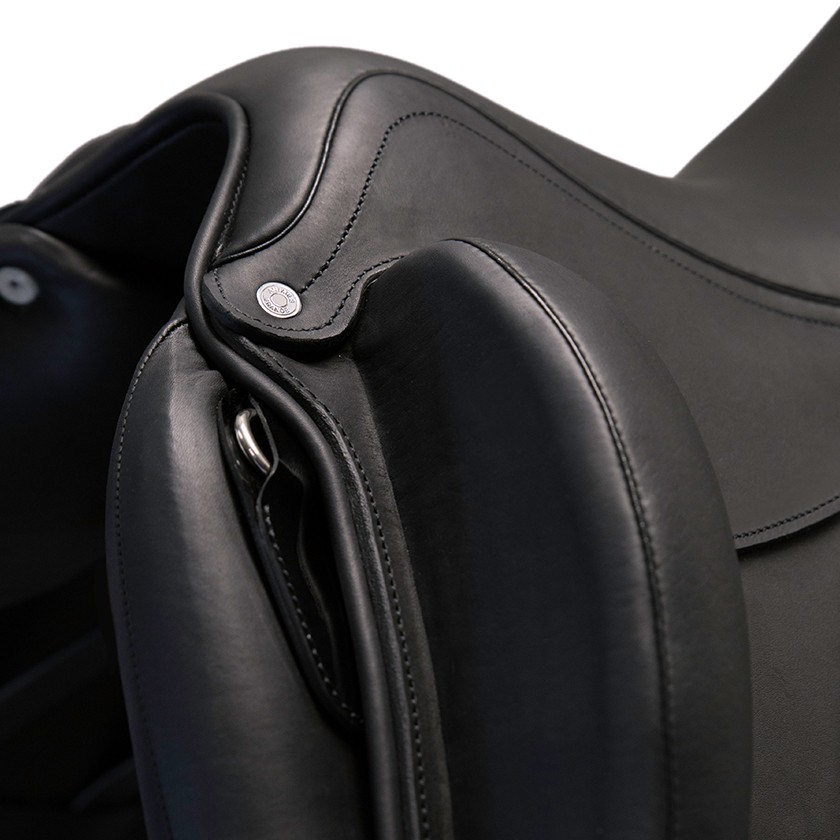
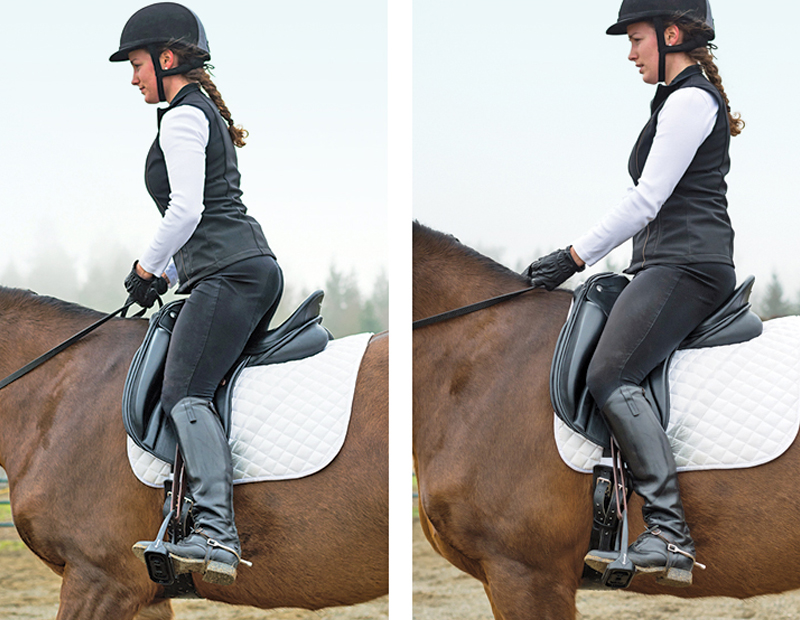
Dressage saddles are designed for precision riding and posture control. Riders performing dressage movements require a saddle that supports an upright seat and stable leg position.
Key characteristics include:
- Deep seat for stability
- Long straight saddle flaps
- Enhanced leg contact with the horse
- Balanced saddle tree design
These saddles help riders maintain correct posture during advanced dressage movements.
Jumping Saddle


4
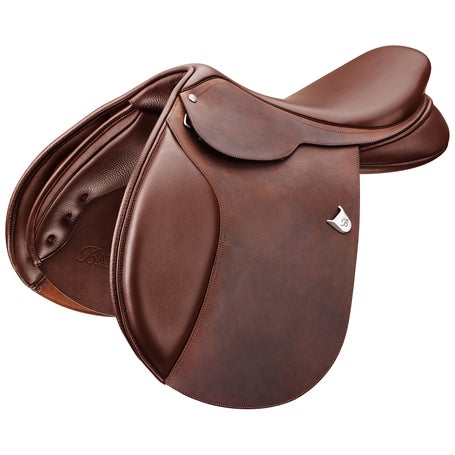
Jumping saddles are designed to support riders during jumping movements.
Typical features include:
- Forward-cut saddle flaps
- Slightly flatter seat
- Knee rolls for rider support
- Lightweight structure
This design allows riders to move easily while maintaining balance over jumps.
All-Purpose Saddle


4
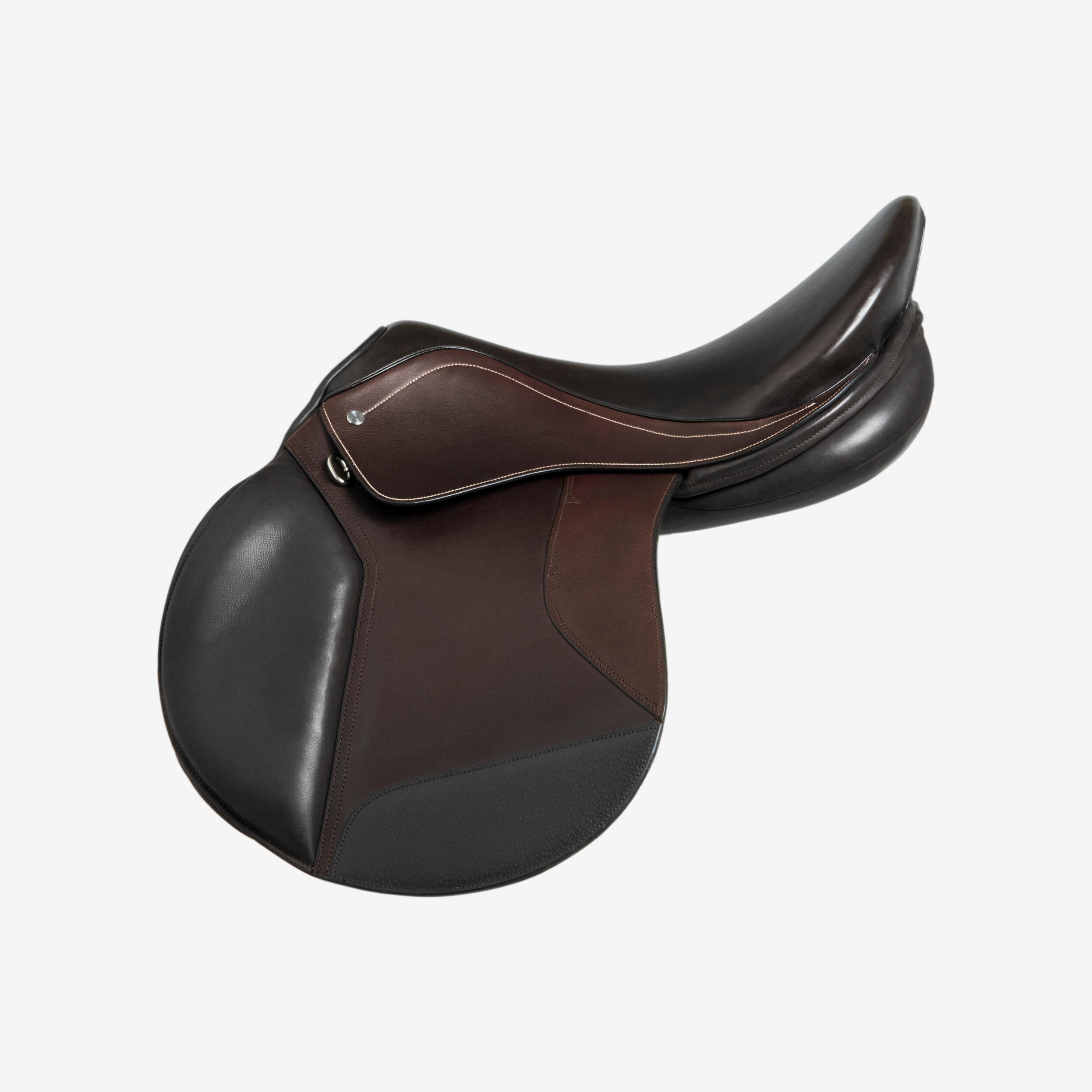
All-purpose saddles are versatile and suitable for riders who participate in different riding activities.
Benefits include:
- Balanced seat position
- Suitable for training and casual riding
- Good for beginner and intermediate riders
- Flexible design for multiple disciplines
These saddles are commonly used in riding schools and recreational riding.
Why Saddle Selection Matters
Selecting the correct saddle improves riding safety, comfort, and horse performance. Riders who use the right saddle for their discipline experience better control, improved posture, and greater comfort during riding sessions.
High-quality saddles also distribute weight evenly across the horse’s back, helping prevent discomfort and long-term strain.
Conclusion
A well-chosen saddle supports both rider performance and horse comfort. Riders across Europe often select saddles based on their riding discipline, comfort preferences, and durability requirements. Understanding different saddle types helps riders make informed decisions and invest in equipment that supports long-term riding success.
